work with experienced teams for dead animal removal
Wildlife Control Explained: Essential Strategies and Dead Animal Removal Services
Animal control involves methods aimed at controlling wildlife and ensuring safe living conditions. Understanding the impact of common intruders is essential for homeowners. Reliable prevention strategies can substantially lower the chances of wildlife incidents. Moreover, the swift elimination of dead wildlife is paramount for community health and well-being. Yet, numerous individuals are still uninformed about the essential components of proper wildlife management and the value of expert assistance. What measures can be implemented to protect households and neighborhoods?
What Is Wildlife Management and Why Does It Matter?
Wildlife management encompasses numerous strategies aimed at overseeing animal populations and their relationships with human surroundings. This discipline is critical for balancing ecological systems and minimizing conflicts between wildlife and people. Effective wildlife control helps safeguard public health by mitigating risks associated with zoonotic diseases, which have the potential to pass from animals to humans.
Additionally, it protects crop and livestock welfare by addressing species that could harm crops and farm animals. By implementing ethical techniques, wildlife control fosters coexistence, ensuring that both human needs and animal welfare are prioritized.
In addition, it serves to sustain biological diversity by addressing invasive species that can disrupt native ecosystems. Ultimately, fauna management is vital not only for strengthening safety and limiting property damage but also for encouraging a enduring connection between humans and the natural world.
How Ordinary Wildlife Trespassers Destroy Your Home
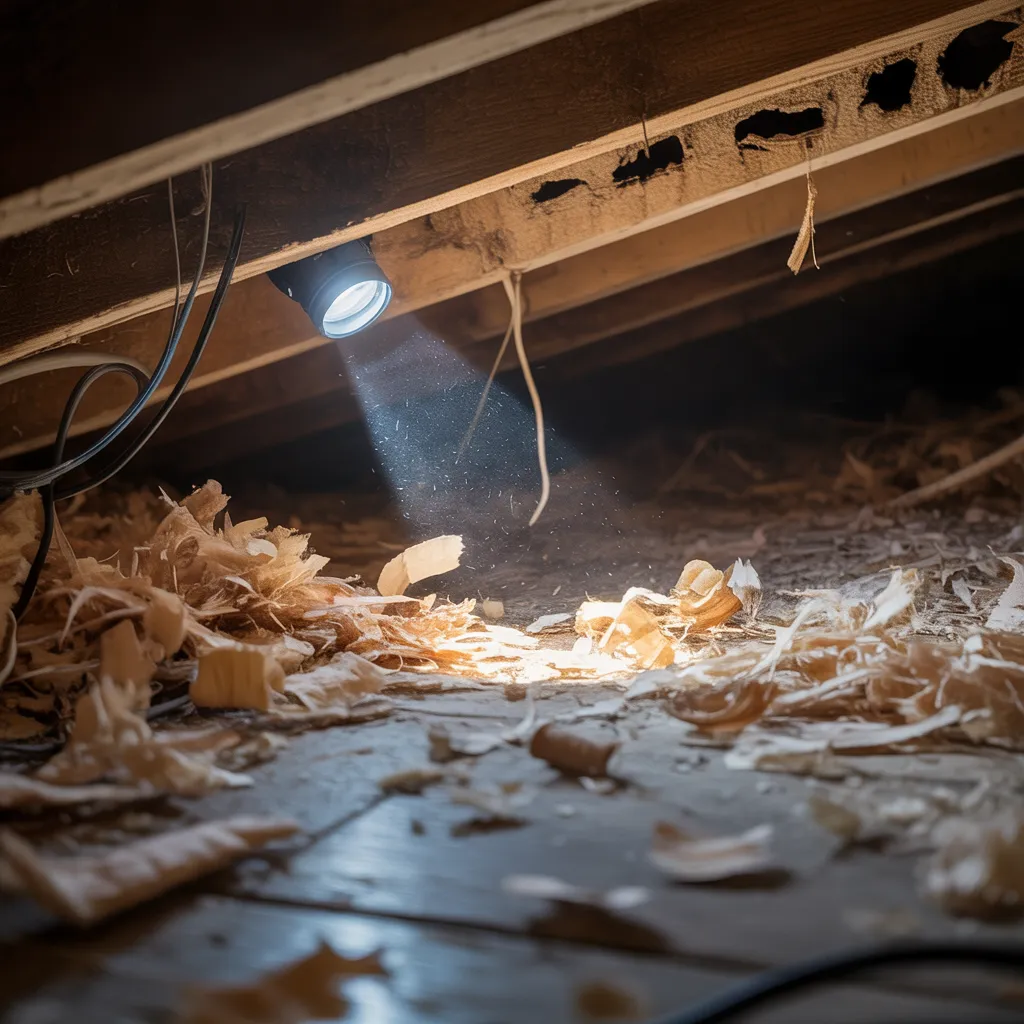
Common wildlife intruders create major hazards for households, causing structural deterioration that can weaken a building's foundation. These animals are also known to pollute insulation materials, generating dangerous health risks for residents. Additionally, the presence of these animals raises electrical hazard concerns, since they are known to gnaw on electrical wiring, elevating the chances of fire outbreaks.
Structural Harm Hazards
The occurrence of wildlife pests can lead to serious structural harm in households. Pests like raccoons, squirrels, and rodents commonly target vulnerabilities in building exteriors, forming access points that weaken structural stability. Raccoons, as a prime example, can tear off roofing materials and damage insulation, while squirrels may gnaw on electrical cables and timber beams, elevating the danger of fire-related incidents. Furthermore, burrowing animals can undermine foundations by forming underground passages, increasing the likelihood of structural collapse. With the passage of time, these breaches can allow moisture to enter, leading to mold growth and wood rot. Residents ought to be watchful for signs of wildlife intrusion to avert costly damage and secure the protection and durability of their homes. Timely response is critical to minimizing these dangers.
Insulation Contamination Problems
Insulation functions as a critical shield against temperature changes, but it can quickly be undermined by invading wildlife. Wildlife such as rodents and raccoons can tear through insulation materials, establishing routes that permit additional intrusion into home frameworks. Their nesting behaviors frequently lead to contaminating the insulation with feces, urine, and various debris, causing significant contamination. This not only diminishes the insulation's effectiveness but also poses health risks due to potential exposure to harmful pathogens. Moreover, rotting animal carcasses can release offensive smells and invite more pests. Residents need to resolve insulation contamination without delay to sustain both energy efficiency and air quality indoors, underscoring the value of reliable wildlife control and corrective measures.
Electrical Risk Concerns
How do wildlife pests lead to electrical dangers in residential properties? Typical wildlife pests, including rodents and birds, can inflict considerable damage on electrical systems. Rodents especially are notorious for chewing through wires, leading to exposed conductors and the risk of short circuits. This creates not only a fire hazard but also elevates the risk of electrical shock for residents. In addition, nesting materials left by birds can clog ventilation systems or collect near electrical panels, significantly raising fire hazards. Additionally, wildlife can introduce excess moisture via burrows or droppings, establishing conditions that encourage corrosion and electrical system failure. Tackling these hazards with proper wildlife control measures and routine inspections is critical to preserving a safe home environment.
How to Spot Signs of Wildlife Around You
Detecting signs of animal presence is critical for efficient mitigation methods. Typical signs consist of tracks, distinctive noises, and unusual odors that can signal the intrusion of animals. Recognizing these signs early can aid in reducing possible property damage.
Typical Wildlife Footprints
A large number of outdoor enthusiasts discover that identifying common animal tracks is crucial for understanding local ecosystems. Tracks vary by species, with distinctive shapes and sizes. To illustrate this point, deer tracks are heart-shaped, whereas raccoon tracks display a hand-like pattern with long, slender digits. The tracks of canines, including coyotes, present a notably oval shape accompanied by visible claw impressions. Studying the gaps between tracks may reveal important information about the animal's dimensions and traveling speed. Additionally, identifying claw marks can help differentiate between species; for instance, a bobcat's tracks show a lack of visible claws, unlike a dog's. Grasping these nuances supports wildlife observation and conservation initiatives, deepening one's appreciation of the natural world.

Sounds and Odors
Recognizing wildlife activity often goes further than visual cues like trail markings; auditory and olfactory cues play crucial roles as well. Sounds such as rustling in the bushes, scraping within walls, or nighttime chattering can suggest animals searching for food or refuge. Every animal type generates characteristic sounds, helping to narrow down the probable species responsible. Smells also offer important indicators. A musty smell may point to a obscured animal dwelling, while a foul odor could signal a perished animal close by. Identifying these sensory signs allows homeowners to take prompt action. By staying alert to both noises and odors, residents can effectively assess wildlife existence and begin suitable management steps before the problem worsens.
Animal Control: Proven Methods for Stopping Wildlife Intrusions
Stopping wildlife intrusions requires a strategic approach that merges wildlife behavioral insights with practical deterrent strategies. Homeowners should first identify potential entry points, such as cracks in walls, upper-level spaces, or lower-level areas, and close them off to block entry. Consistent upkeep of the premises, including removing clutter and properly storing garbage, can discourage wildlife in search of nourishment.
Moreover, incorporating natural deterrents like motion-triggered lights or audio devices can discourage unwanted wildlife. Landscaping decisions read the information also contribute; planting native species and keeping a clean yard can decrease the attractiveness for multiple species. Informing residents about local wildlife behaviors improves awareness and encourages proactive steps.
The Function of Professional Wildlife Control Services
When wildlife invasions surpass the ability of homeowners to handle, professional wildlife control services become an essential resource. These specialized services offer expertise in identifying and addressing a wide range of wildlife issues, providing both protection and conformity with local laws. Certified experts apply humane trapping approaches and exclusion practices to limit the disruption to local ecosystems while efficiently managing disputes with wildlife.
In addition, these companies often offer in-depth assessments of properties to identify potential weak points that may attract future infestations. By using advanced tools and techniques, they can tackle the root origins of wildlife issues, rather than merely treating symptoms. This proactive approach not only shields homes but also supports coexistence with local wildlife. In the end, working with professional wildlife control services guarantees that homeowners can manage complex wildlife situations safely and effectively, minimizing risks to their property and personal safety.
The Importance of Dead Animal Removal
The presence of dead animals on a property can pose significant health risks and draw in undesirable pests. Decomposing carcasses release harmful bacteria and pathogens, which can contaminate soil and water sources, jeopardizing human and animal health. Moreover, the odor emanating from a decaying body can disturb the living conditions of neighboring residents and create an unpleasant environment.
In addition, dead animals can serve as a food source for scavenging creatures, including rodents and other insects, leading to new pest infestations. This can develop into more serious complications, demanding more intensive pest control measures. Acting quickly to remove dead animals is critical to mitigate these risks and bring safety back to the surrounding area.
Specialized dead animal removal providers have the capability to address these scenarios promptly, ensuring proper disposal and sanitation. By addressing the issue swiftly, property managers can preserve their health, protect the integrity of surrounding ecosystems, and maintain the integrity of their surroundings.
What to Look for in a Wildlife Control Service?
Effective wildlife control services are vital for maintaining a safe and healthy environment, especially after issues such as dead animal removal. A number of critical considerations should be kept in mind when selecting a wildlife control service. To begin, confirm that the company holds proper licensing and insurance, because this establishes their authenticity and provides protection from liability. Industry experience is a critical factor; a business with a demonstrated history of success is better equipped to address diverse wildlife concerns.
Moreover, inquire about their techniques for animal removal and prevention, ensuring they employ compassionate and environmentally conscious methods. Customer feedback and testimonials can offer valuable information about the service's reliability and effectiveness.
Ultimately, a reliable service should provide a detailed inspection and follow-up to avoid future wildlife incursions. By considering these factors, individuals can identify a wildlife control service that prioritizes efficiency, safety, and responsible methods.
Frequently Asked Questions
What Legal Regulations Apply to Wildlife Control in My Area?
Legal regulations for wildlife control change depending on the area, typically mandating permits for capturing and relocating animals. Local wildlife agencies provide guidelines, ensuring humane treatment and compliance with conservation laws to safeguard animals and their ecosystems.
What Are the Safe Steps for Handling a Dead Animal on My Property?
When safely handling a dead animal, one should wear gloves, employ a shovel for the removal process, double-bag the body, and dispose of it according to local regulations, guaranteeing proper sanitation and reducing potential health risks.
What Are the Fees Associated With Wildlife Control Services?
Wildlife control service costs can vary significantly, generally falling between $100 and $1,500. Factors influencing pricing include the kind of wildlife present, severity of the infestation, and the removal techniques or prevention strategies required.
Can Wildlife Control Prevent Future Infestations Entirely?
Animal control services can greatly reduce the probability of future infestations through prevention techniques, but it does not ensure absolute protection. Regular monitoring and routine maintenance are critical to minimize risks and address any potential issues promptly.
Which Types of Animals Need Specialized Removal Methods?
Some animals, including raccoons, bats, and snakes, require specialized removal techniques as a result of their distinctive behaviors and potential health concerns. Experts must utilize targeted methods to guarantee safe and humane handling throughout the handling and removal process.